
Stewartville, AL Electrical Lighting Installation & Upgrades
If you are asking do I need an electrician to install outdoor lights, you are not alone. Homeowners around Lake Martin want brighter paths, patios, and docks without surprise repairs or hazards. Here is the short answer: some simple solar or plug‑in lights are DIY friendly, but hardwired outdoor lighting should be installed by a licensed electrician to meet code, stay safe, and perform long term. We will show you when DIY works, when to call a pro, and how to get it done right in Alexander City and nearby towns.
Why Outdoor Lighting Is Different From Indoor Lighting
Outdoor lighting faces rain, heat, wind, and pests that indoor fixtures never see. That is why the National Electrical Code requires specific weatherproof equipment, GFCI protection, and proper grounding for exterior installations.
- Wet and damp locations need listed fixtures and boxes that seal out water.
- Cables and conduit must be rated for sun and soil exposure.
- Connections need in‑use covers that protect while a plug is inserted.
Two hard facts every homeowner should know:
- NEC 210.8 requires GFCI protection for outdoor receptacles to reduce shock risk. In wet locations, covers must be weather‑resistant and remain closed during use.
- ENERGY STAR notes that LED lighting uses up to 75 percent less energy and lasts much longer than traditional bulbs, which is ideal for landscape and security lighting that runs many hours a year.
"Colby and assistant were so nice and very knowledgeable about lighting system. Replaced two in a timely manner. Checked circuit breaker."
DIY vs Pro: Which Outdoor Lights Can You Safely Install Yourself?
Some projects are low risk for skilled DIYers. Others require permits, new circuits, or code decisions that can get costly if done wrong.
Safe for most DIYers:
- Solar path or stake lights
- No wiring. Place in soil and adjust for sun exposure.
- Plug‑in string lights under covered patios
- Use a GFCI protected outdoor outlet with an in‑use cover. Keep connections off the ground.
- Battery‑powered step or deck markers
- Good for quick safety boosts. Replace batteries as needed.
Call a licensed electrician for:
- New hardwired fixtures on exterior walls or eaves
- Requires properly rated boxes, sealed penetrations, and correct switching.
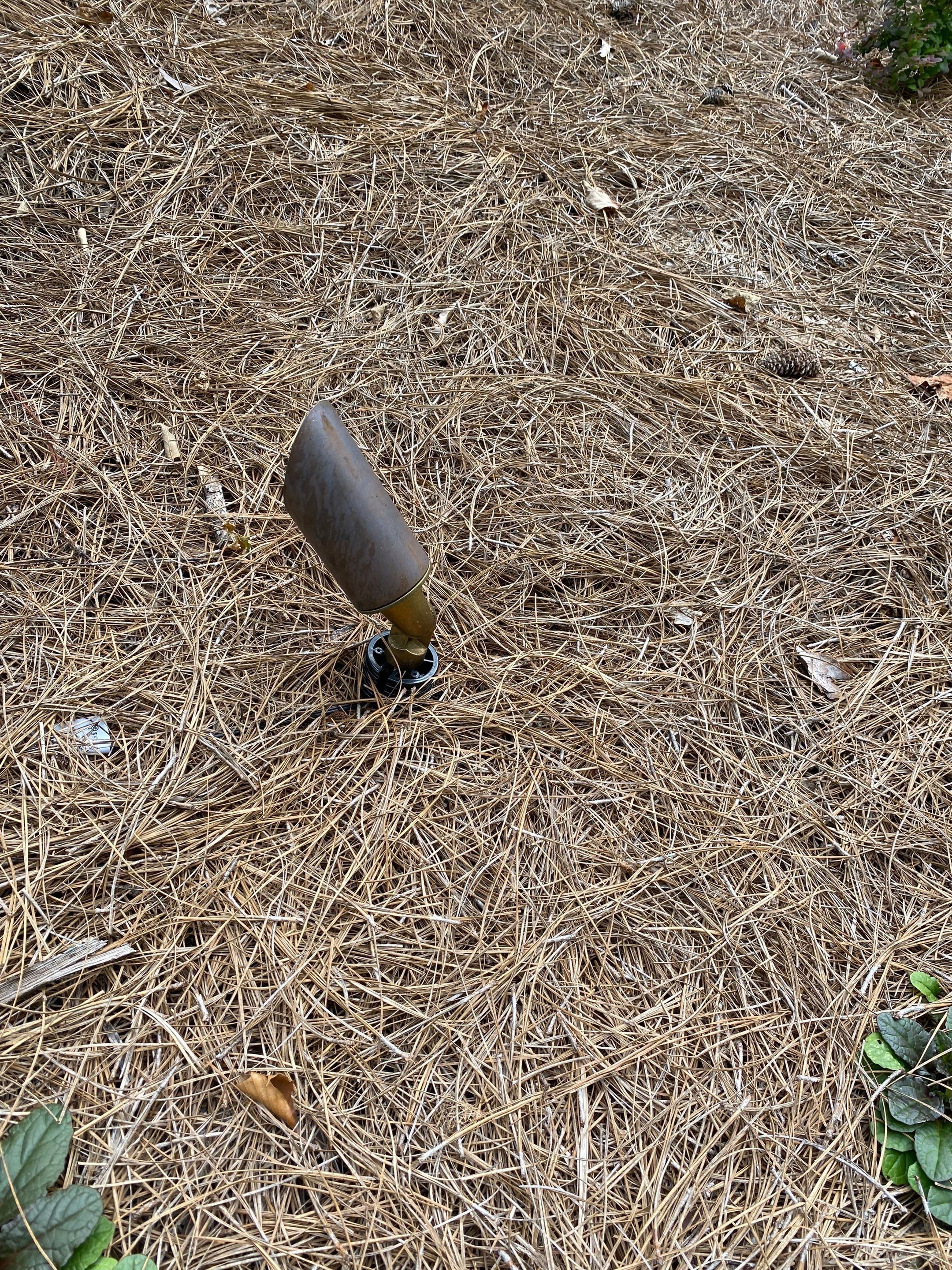
- Low‑voltage landscape systems with a new transformer
- Needs correct sizing, weatherproof mounting, and cable routing to avoid damage.
- Post lights, driveway lights, and yard poles
- Often need trenching, conduit, and a dedicated circuit or GFCI protection.
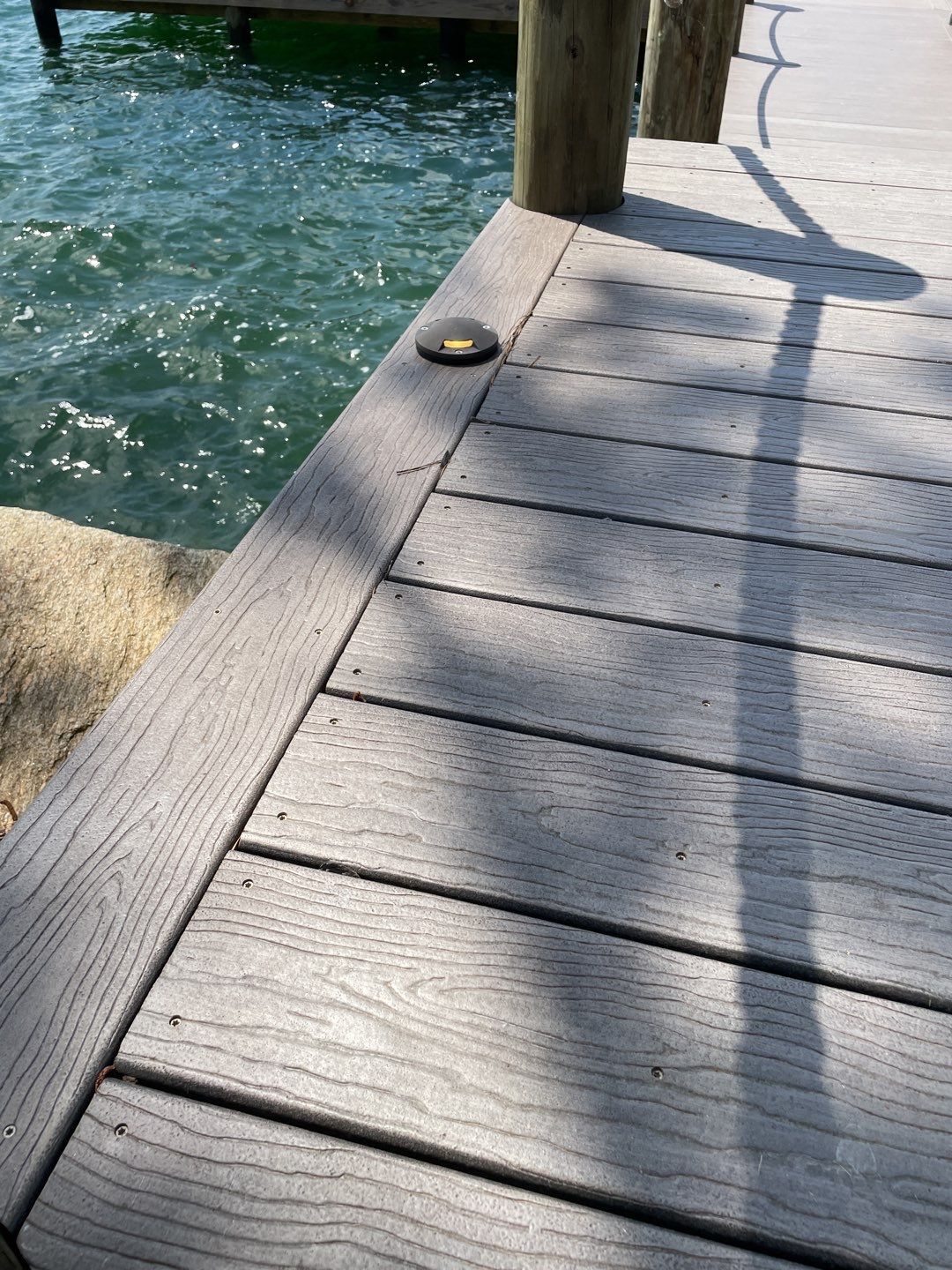
- Dock and waterfront lighting
- Demands outdoor‑rated gear, corrosion‑resistant fittings, and careful bonding.
- Smart timers, photocells, and motion controls tied to existing circuits
- Must be configured safely and neatly in weatherproof enclosures.
"Colby and Matthew did a great job today installing two recessed lights and adding a switch for one of the lights. SUPER NICE GUYS."
What Can Go Wrong With DIY Outdoor Wiring
Outdoor circuits are unforgiving. Common mistakes create nuisance trips, damaged fixtures, or hazards.
- Wrong fixture rating: Indoor fixtures used outside can corrode and fail quickly.
- Missing GFCI protection: Increases shock risk and may violate code.
- Loose or unsealed boxes: Water intrusion causes shorts and early failure.
- Incorrect cable type or burial depth: Leads to damage from soil, mowers, or UV.
- Overloaded circuits: Dimming or breaker trips when lights and tools share a line.
A pro prevents these issues with correct materials, neat conduit runs, sealed penetrations, and right‑sized circuits.
"They replaced and installed light fixtures. They were very professional and friendly... they back their work... peace of mind that it’s done right."
Code, Permits, and Safety: What Applies Outside
Exterior installations in Alexander City, Dadeville, and around Lake Martin follow national code with local enforcement. Your electrician navigates this for you.
- GFCI and Weather‑Resistant Devices: NEC 210.8 and 406.9 require GFCI protection and weather‑resistant receptacles with in‑use covers in wet areas.
- Boxes and Fittings in Wet Locations: NEC 314.15 requires equipment listed for the environment. Gaskets and sealed hubs matter.
- Listed and Labeled Fixtures: NEC 110.3 requires following the manufacturer’s instructions, including mounting orientation and gasket use.
- Low‑Voltage Transformers: Must be accessible, properly ventilated, and mounted per listing. Cables should be buried or mechanically protected.
- Docks and Waterfronts: Extra caution with corrosion, bonding, and GFCI. Weatherproof enclosures and neat conduit protect wiring from waves and wake spray.
Local‑insider tip: Around Lake Martin, spring storms and sudden water level changes can expose poorly buried cable near seawalls. Correct conduit depth and standoffs help lights last.
Best Places to Add Outdoor Lights for Safety and Curb Appeal
The right locations increase beauty and security without annoying glare.
- Entry doors and garage sconces: Improve visibility and camera performance.
- Pathways and steps: Reduce trips. Use shielded path lights to avoid shining into eyes.
- Patios and porches: Layered ambient and task lighting makes evenings comfortable.
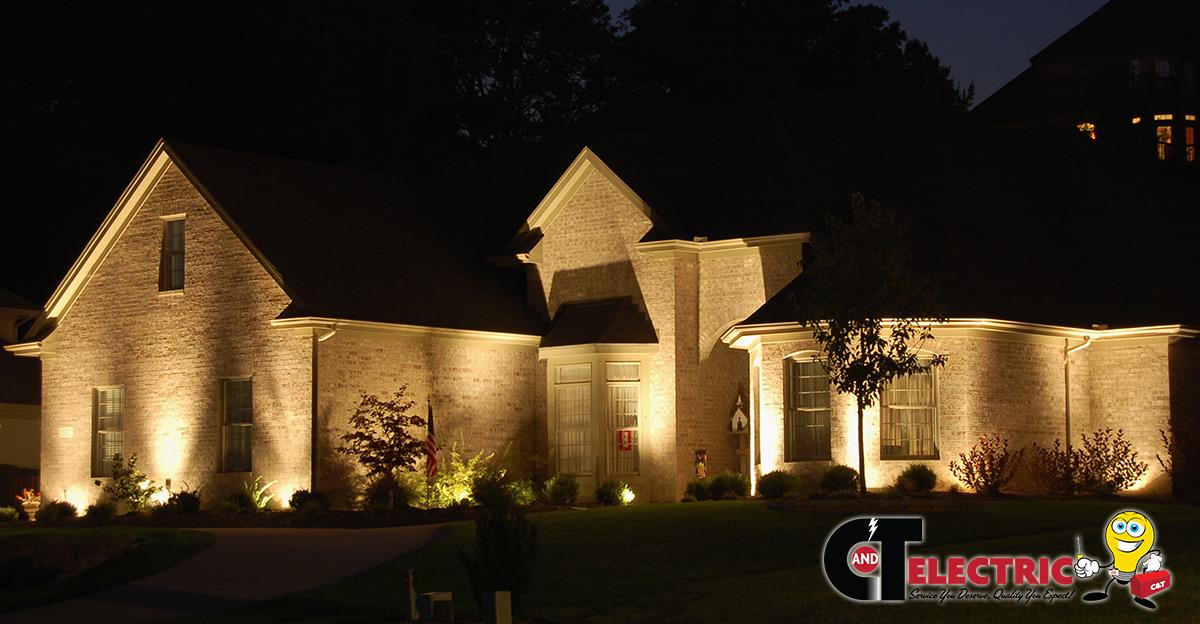
- Landscape accents: Highlight trees and rock features with warm LEDs.
- Driveways and post lights: Guide guests and vehicles safely.
- Docks and seawalls: Mark edges and ladders with low‑glare fixtures to protect night vision.
"Tyler did a great job. He answered my many questions and gave me recommendations to fit my needs. The crew was considerate and friendly and careful to leave my yard and dock in good shape."
Choosing the Right Fixtures and Components
Materials matter outdoors. Your electrician helps match components to your space and the environment.
Fixture ratings and finishes:
- Wet‑location rated for uncovered spots like posts and fences.
- Damp‑location rated for covered porches and soffits.
- Marine‑grade or powder‑coated finishes near the lake to resist corrosion.
Light quality and performance:
- LED for energy savings and long life. ENERGY STAR LEDs can cut energy use by up to 75 percent compared to incandescents.
- 2700K to 3000K color temperature for warm, inviting light.
- 80+ CRI for accurate colors in landscaping and on the home’s exterior.
Controls and automation:
- Photocells for dusk‑to‑dawn operation on path or security lights.
- Motion sensors for driveways and sides of the house.
- Smart timers or switches for scenes and vacation schedules.
Hardware that lasts:
- Weatherproof boxes, gaskets, and in‑use covers.
- UV‑rated cable and schedule‑rated conduit with neat, secure straps.
- Stainless steel fasteners to avoid rust streaks on siding.
What Installation Looks Like With a Pro
A professional process keeps your yard tidy and your system reliable.
- Design and layout
- Walkthrough to pick fixture types and beam angles. Your tech checks voltage, distances, and control locations.
- Load and circuit planning
- Balance loads, select GFCI protection, and confirm panel capacity.
- Materials and prep
- Weatherproof boxes, transformers, conduit, and listed connectors staged for efficiency.
- Installation
- Neat conduit routes, sealed penetrations, correct burial or mechanical protection, and tidy terminations.
- Testing and aiming
- Verify GFCI operation, tighten terminations, set photocells or timers, and aim lights to remove glare.
- Homeowner walk‑through
- Review controls, maintenance tips, and warranty details.
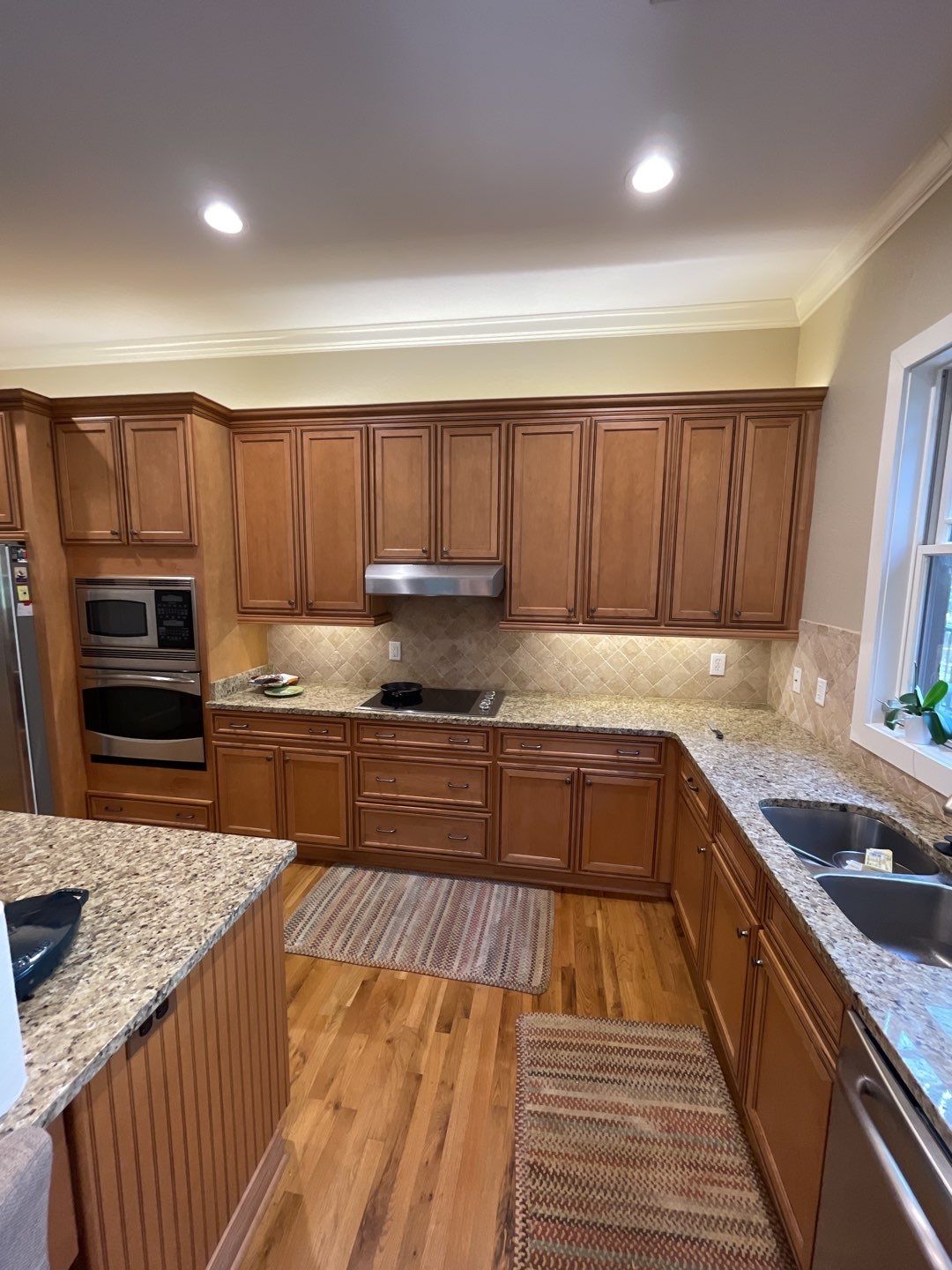
"Colby was on time respectful and very efficient in installing my new kitchen light."
Costs: What Drives the Price of Outdoor Lighting
Outdoor lighting ranges from a few hundred dollars for a basic fixture swap to several thousand for full landscapes or dock systems. Price varies by:
- Number of fixtures and total wattage
- Trenching or conduit runs across hardscape or long distances
- Controls like photocells, motion, or smart automation
- Panel space and any needed circuit upgrades
- Fixture quality, finish, and corrosion resistance
Pro tip: Group projects together. Combining sconces, path lighting, and a transformer install during one visit reduces labor and mobilization costs.
Maintenance and Reliability: Keep It Bright All Year
Outdoor systems benefit from simple, regular care. C&T Electric offers recurring service plans and annual inspections that mirror our documented generator maintenance approach.
- Inspect gaskets, covers, and seals. Replace if cracked.
- Clean lenses and trims. Dirt reduces brightness and causes hot spots.
- Re‑aim landscape lights after storms or lawn service.
- Test GFCI and controls every season.
- Replace failed lamps or upgrade to LED for longer life and lower energy.
Example from the field: We often diagnose outdoor outages to failed timers or water‑exposed connections. Replacing the timer with a high‑quality, weather‑rated model and resealing boxes solves the issue for years.
Why Homeowners Around Lake Martin Choose C&T Electric
From Alexander City and Dadeville to Jacksons Gap and Titus, homeowners want durable, code‑conscious installs that survive weather and lake life.
What sets our outdoor lighting work apart:
- Code‑conscious, durable outdoor work with neat conduit and weatherproof enclosures.
- High‑quality components from trusted brands for longer life.
- LED upgrades that lower energy use and improve nighttime safety.
- Flexible service, including mounting customer‑supplied fixtures.
- Transparent recommendations and friendly, punctual technicians who respect your home and yard.
"Mikah was friendly, gave great recommendations, informative and an absolute joy to work with. He will be returning to do an inspection, put up new light fixtures and do some rewiring."
When You Definitely Need an Electrician
If any of the following describe your project, skip DIY and schedule a licensed electrician:
- You see corrosion, heat damage, or tripped breakers around existing outdoor circuits.
- You want new lighting in areas without wiring or on a dock or seawall.
- You plan to add controls like photocells, smart timers, or motion sensors to a hardwired circuit.
- You are unsure about fixture ratings, burial depth, or GFCI requirements.
- You are upgrading multiple areas at once and want one clean, warrantied solution.
Simple Planning Checklist Before You Call
Use this quick list to speed up your quote and avoid surprises.
- Walk your property at night and note dark spots and glare issues.
- Take photos of areas you want to light, plus your panel and any outdoor boxes.
- Decide on light color preference. Warm white suits most homes.
- Consider control style: dusk‑to‑dawn, motion, or smart schedules.
- Share your long‑term plans, like future patio or landscape changes.
With this info, we design a system that fits your budget and grows with your home.
Frequently Asked Questions
Do I need an electrician to install outdoor lights?
If the lights are hardwired, yes. A licensed electrician ensures GFCI protection, weatherproof boxes, and correct wiring so the system is safe and code compliant.
Can I DIY low‑voltage landscape lighting?
You can place fixtures and run low‑voltage cable, but have an electrician size the transformer, protect connections, and tie in controls for reliability and safety.
What is the best color temperature for outdoor lighting?
Most homes look best at 2700K to 3000K. It gives a warm, inviting glow, reduces glare, and flatters brick, stone, and landscaping at night.
How long do LED outdoor lights last?
Quality LED fixtures often last 25,000 hours or more. Many run for years outdoors when protected by correct seals, gaskets, and surge protection.
Do I need a permit for exterior lighting?
Simple fixture swaps may not require one, but new wiring, circuits, poles, or dock lighting often do. Your electrician will handle local requirements.
Conclusion
For most hardwired projects, the safe and cost‑effective answer is yes, hire an electrician to install outdoor lights. You get code‑compliant wiring, weatherproof components, and clean workmanship that lasts through Lake Martin weather. Ready to brighten your Alexander City home or dock with confidence?
Ready to Schedule?
Call C&T Electric LLC at (256) 234-0007 or book online at https://www.candtelectricllc.com/ for professional outdoor lighting installation and upgrades. Serving Alexander City, Sylacauga, Dadeville, Jacksons Gap, Titus, and nearby communities. Want to use your own fixtures? We install customer‑supplied lights too. Let us design a safe, energy‑efficient system that looks great and works every night.
About C&T Electric LLC
C&T Electric LLC is a local, full‑service electrical contractor serving Alexander City, Lake Martin, and nearby communities. Our safety‑focused, highly trained techs deliver neat, code‑compliant work indoors and out. We are a licensed Generac dealer, offer 24/7 availability, and stand behind our craftsmanship. From LED upgrades to dock and landscape lighting, we install quality components the right way and explain every option clearly.
Sources8
Source links open in a new tab.
- Happy comment by Jill Hydegoogle.com (opens in a new tab)
- Happy comment by Lori McCollumgoogle.com (opens in a new tab)
- Happy comment by Toni Sharpe Barkergoogle.com (opens in a new tab)
- Happy comment by Annie Guliziagoogle.com (opens in a new tab)
- Recent Projectscandtelectricllc.com (opens in a new tab)
- Our Services | C&T Electriccandtelectricllc.com (opens in a new tab)
- C&T Electriccandtelectricllc.com (opens in a new tab)
- CT Electric Homecandtelectricllc.com (opens in a new tab)